Boards
Study
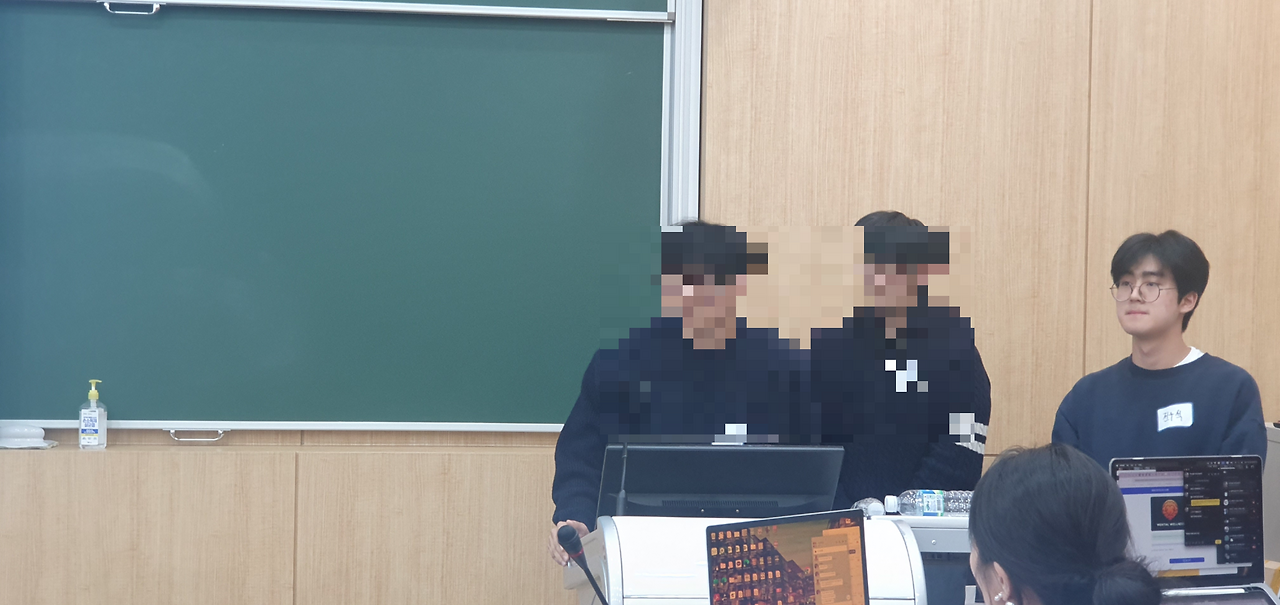
What Hackathons Taught Me About Building, Research, and Collaboration
Over the past year, several hackathons and ideathons taught me what research tools feel like in practice, how ideas become persuasive, and how quickly a focused team can build something real.
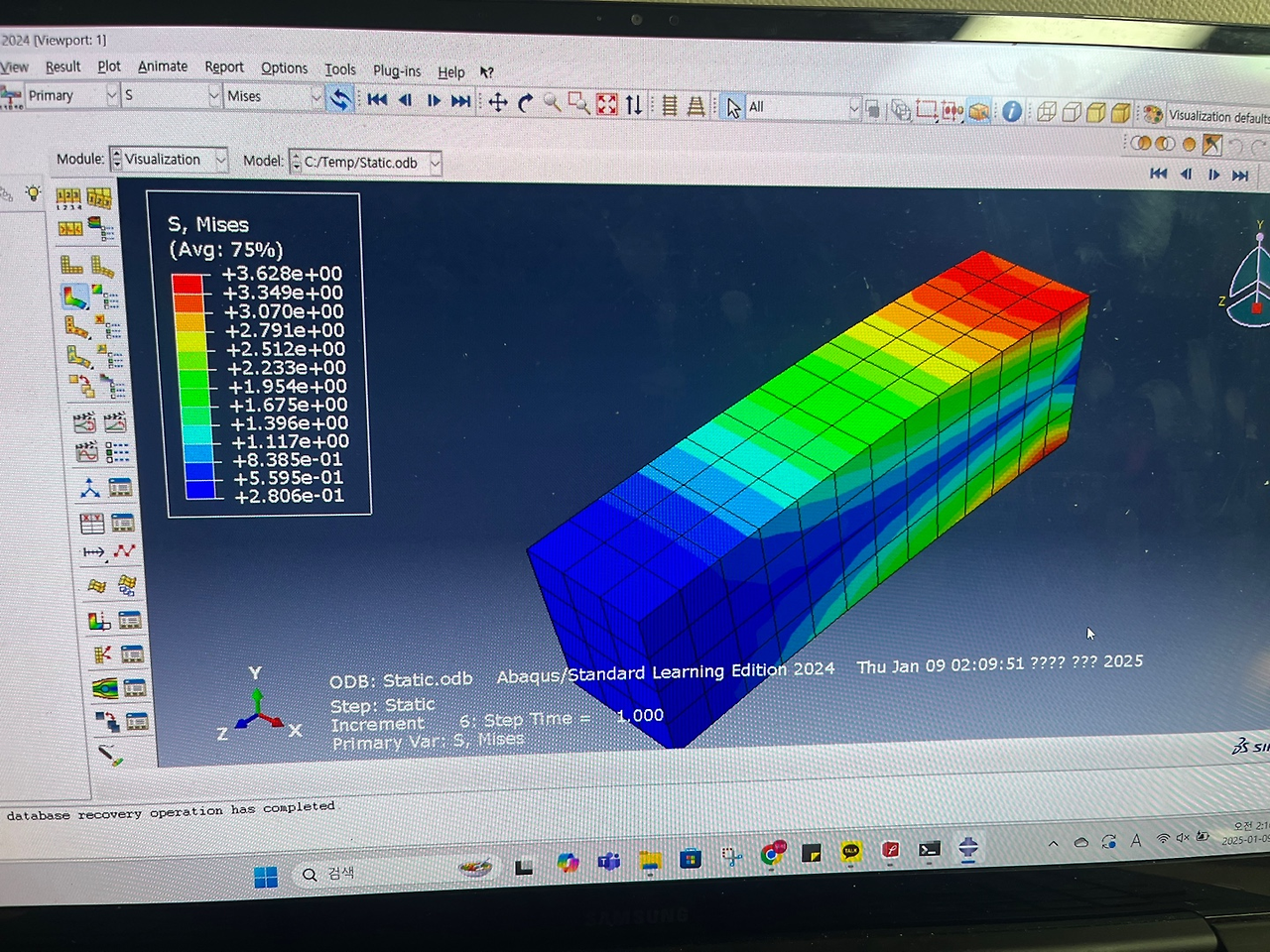
Learning ABAQUS: Building a Bridge Between Physics and Real-World Problems
A reflection on learning ABAQUS and FEM as a bridge between idealized physics problems and real-world engineering simulations.
Studying Law from Zero: Learning to See Law as a System of Interpretation
A reflection on studying law from almost no background, passing the law exam for the Degree-by-Self-Education program, and learning to see law as a system of interpretation rather than a fixed set of rules.
Law Study Notes: A Basic Archive from the Degree-by-Self-Education Exam
A personal archive of roughly 20 pages of study notes created while preparing for the Degree-by-Self-Education law exam, covering legal theory, constitutional law, civil law, criminal law, and related fundamentals.
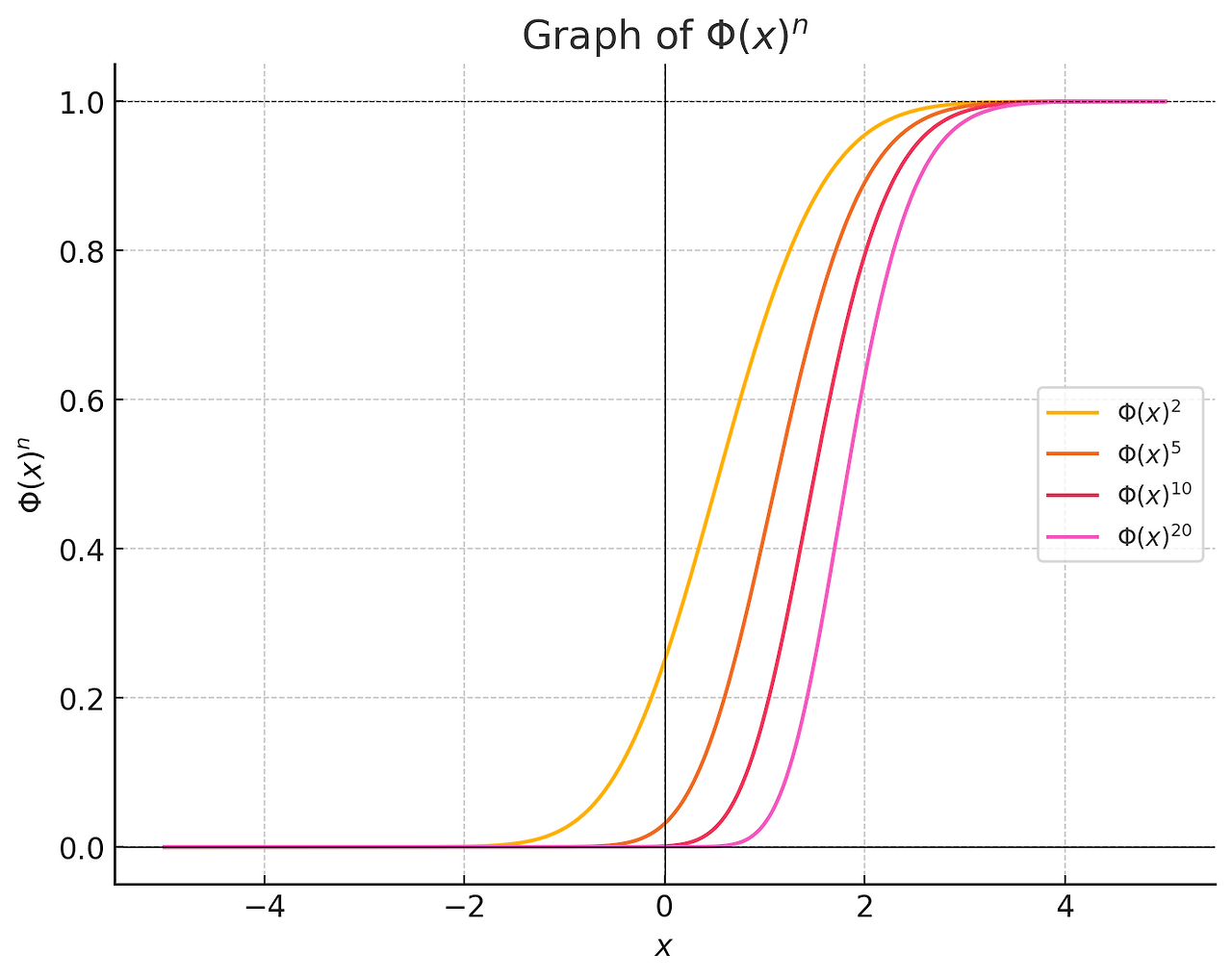
Probability Distribution of a Maximum Function
Starting from my experience as a restaurant waiter, this post models closing time as the maximum of several independent table-leaving times.
Deriving the Utility Maximization Condition in Consumer Choice Theory
A study note deriving the core consumer choice condition using budget constraints and marginal utility as an integral.
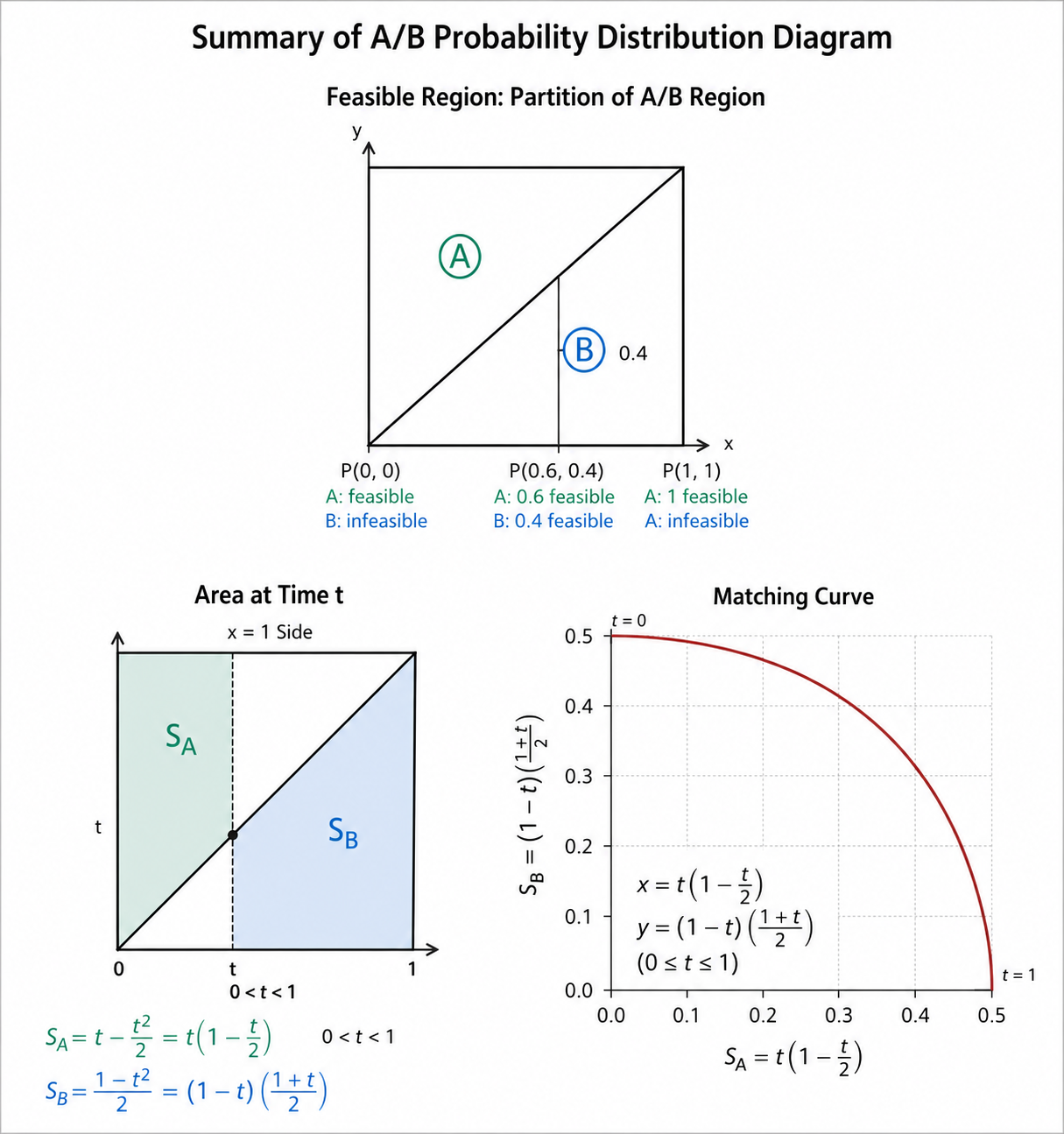
Deriving the Production Possibilities Curve from Resource Allocation
A mathematical thought experiment deriving why the production possibilities curve becomes convex to the origin under heterogeneous resources and efficient allocation.
How We Learn Physics: Force, Constraint Forces, and Misconceptions
Physics should be learned by starting from basic properties and using them to analyze phenomena. This essay examines the concept of force, the distinction between net and individual forces, and the role of constraint forces in common misconceptions.